

Industry Overview
-
Water Utilities & Distribution Infrastructure
Water utilities and public authorities are responsible for managing complex networks that include water supply, storage, distribution, wastewater collection, drainage, and environmental protection. Much of this infrastructure is underground, remote, or located in hazardous environments, and failures can have immediate consequences for public health, the environment, and regulatory compliance.
Operators are under increasing pressure to reduce non-revenue water, prevent sewer overflows, respond faster to incidents, and demonstrate accountability to regulators and the public. At the same time, manual inspections, reactive maintenance, and fragmented data make it difficult to prioritise interventions or justify operational decisions.
IoT Solutions supports water utilities, regulators, and municipal authorities with continuous, retrofit monitoring of water and wastewater infrastructure, combined with visibility of tanker fleets and service teams. This enables earlier detection of abnormal conditions, safer operations, reduced emergency call-outs, and reliable historical data to support compliance, planning, and performance reporting.

Assets & Systems Monitored in Water Infrastructure

Water reservoirs, boreholes, and storage tanks

Water meters (retrofit pulse and industrial meters)

Sewer manholes, cesspits, and drainage networks
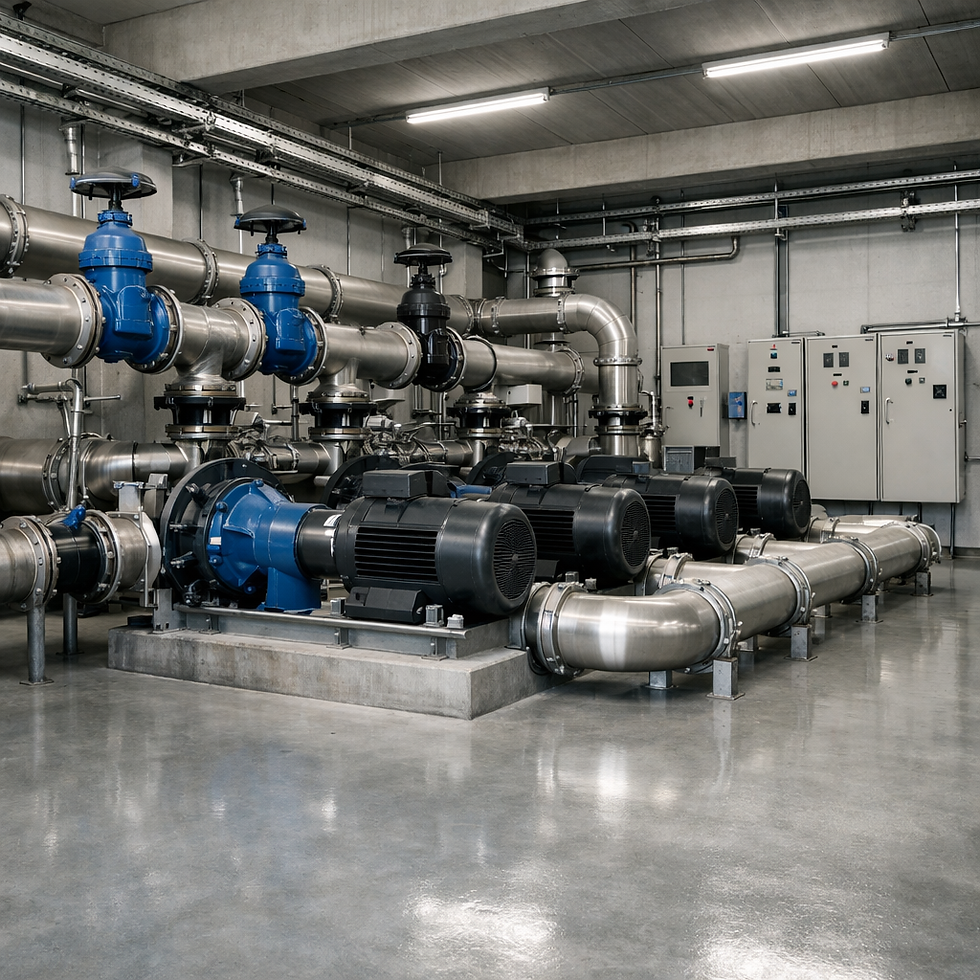
Pumping stations and lift stations

Sewage tankers and water bowser fleets

Service and maintenance vehicles

Backup generators at water and wastewater sites
Key Operational Challenges
in
Water & Wastewater Networks
Water and wastewater operators commonly face the following challenges:
Undetected sewer, cesspit, and drainage overflows at remote or private sites, leading to environmental contamination, public complaints, and regulatory penalties.
Manual meter reading and delayed billing cycles, leading to revenue delays, inaccurate invoicing, and disputes.
No live visibility of sewer, manhole, and pumping station levels, delaying detection of blockages, infiltration, or pump failures until incidents occur.
Manual inspections and confined-space entries, exposing staff to toxic gases, traffic risks, and safety hazards while increasing liability.
Reactive maintenance driven by complaints rather than data, resulting in unnecessary jetting, wasted OPEX, and overworked crews.
Unmonitored inflow and infiltration during rainfall, overloading pumps and treatment facilities and driving up energy and maintenance costs.
High frequency of emergency tanker call-outs, increasing costs, fatigue, and disruption to planned operations.
Poor visibility of water reservoir, borehole, and tank levels, causing supply imbalances, delayed refills, and avoidable outages.
Lack of historical data for compliance and reporting, making it difficult to justify preventive actions to regulators such as ERA or REWS.
IoT Solutions for Water Utilities & Distribution
We provide integrated IoT solutions that prioritise early detection, operational safety, and efficient response, with full visibility across fixed infrastructure and mobile operations.
Primary Solutions

Water & Wastewater Infrastructure Monitoring
Monitor water levels, water metering, flow, pump status, and alarms across reservoirs, boreholes, tanks, manholes, cesspits, drainage networks, and wastewater systems to detect leaks, blockages, overflows, and abnormal conditions early, with auditable historical records.

Vehicle Fleet & Asset Location Tracking
Track sewage tankers, water bowsers, and service vehicles in real time to optimise dispatch, balance workloads, reduce fuel use, and provide proof of service for commercial and government contracts.
Supporting Solutions
Industrial Generator Management
Monitor backup generators at pumping stations, treatment plants, and remote sites to ensure continuity of critical water and wastewater services.

Premises & Equipment Energy Management
Monitor energy usage and pump run-time at treatment facilities and pumping stations to identify inefficiencies and prevent premature equipment failure.

Organisations We Support in Water & Wastewater Services

Water utilities and regulators

Wastewater and drainage operators

Municipal councils and public works departments

Sewage tanker and drainage service providers

Water transport and delivery companies

Environmental services contractors
